Parenting in a Different World
Remember being a teenager? Your friendships, social life, school experiences, and everyday challenges helped shape who you became.
But today's teenagers are growing up in a very different world.
Life moves faster. Schedules are fuller. Expectations are higher. Social media and constant connectivity have changed how friendships develop, how young people communicate, and how they experience the world around them.
Today's teens navigate pressures that previous generations didn't encounter in quite the same way. Social interactions don't necessarily end when the school day is over. Misunderstandings can follow them online, friendships can play out in public, and the pressure to keep up can feel constant.
Your experiences growing up are valuable. But the advice that worked in your teenage years may not always translate to the challenges your daughter faces today.
Understanding her world doesn't mean abandoning the wisdom you've gained. It means being willing to see things from a new perspective.
When your daughter feels that you understand the world she's navigating, she's more likely to feel comfortable coming to you, listening to your perspective, and welcoming your guidance.
Sometimes, helping her navigate today's world starts with understanding it yourself.

The World Has Changed. The Research Shows It.
Today's teenagers are navigating a world that looks very different from the one their parents grew up in. Research helps us understand how technology, social media, changing expectations, and modern social pressures are shaping their experiences. Explore the facts, discover what's changed, and learn why understanding her world is an important part of supporting her.

Building Bridges: Teen Loneliness and Connection
Child Mind Institute · 2026
Today's teenagers want connection, but finding and maintaining meaningful relationships isn't always easy. This report explores teen loneliness, friendships, and the importance of feeling connected.
Why start here? It speaks directly to the heart of Project Girl Code: relationships matter, and today's teens need opportunities to build meaningful connections.
Understanding Her World
10 Facts About Teens and Social Media
Pew Research Center
A quick look at how social media influences friendships, social experiences, and everyday life.
Am I Doing This Right? Teen Edition
Greater Good Science Center
Research-backed perspectives on the questions and challenges of raising teenagers today.
How Teens and Parents Approach Screen Time
Pew Research Center
See where parents and teenagers agree, and where their experiences differ.
The Common Sense Census
Common Sense Media
Discover how much of today's teenage experience takes place in a digital world.
Understanding Is Where the Connection Begins
Every girl wants to feel heard, respected, and understood. Sometimes the most meaningful thing a parent or trusted adult can do is slow down, listen without judgment, and make space for an honest conversation. Understanding builds trust — and trust creates room for connection.

How to Communicate With Teenagers
Learn practical ways to keep conversations open and maintain connection as teens become more independent.
Listening to Teens with Compassion
A reminder that listening without immediately correcting or judging can change the conversation.
How Social Media Affects Teen Relationships
Explore how online interactions influence communication, friendships, and social experiences.
Helping Teens Connect Across Differences
Ideas for helping young people understand different perspectives and build stronger connections.
More Resources for Parents & Adults
Pew Research Center — What Parents Say About Their Teen's Uses of Social Media (April 2026)
This is particularly valuable because it surveys both teenagers and their parents.
1,458 U.S. teens and their parents.
Examines TikTok, Instagram, and Snapchat.
Compares parents' perceptions with teenagers' actual reported experiences.
Includes survey methodology and detailed findings.
Pew Research Center — Teens, Social Media and Mental Health
One particularly interesting finding: 80% of parents said they were comfortable discussing mental health with their teens, but only 52% of teens expressed the same level of comfort.
That's a conversation worth having.
American Academy of Pediatrics — The 5 Cs of Media Use
This is a practical parent resource with downloadable guides for young teens and older teens.
Explore the 5 Cs and download parent guides below
U.S. Surgeon General — Social Media and Youth Mental Health
The Surgeon General examines how social media affects teenagers' mental health, relationships, self-image, and well-being. The advisory explores both the benefits and risks of online connections and offers recommendations for parents and caregivers.
Why it matters: It helps parents understand how social media has changed the environment in which today's teenagers build friendships and navigate everyday pressures.
Sometimes it's not just what we say, but how we say it.
When your daughter comes to you with a friendship problem, your first instinct may be to offer advice, find a solution, or remind her that things will get better. But sometimes she needs to know you've heard her before she's ready to hear what you think.
Instead of Saying...
"You're making too big a deal out of this."
"Just find some new friends."
"I wouldn't worry about what she thinks."
"You need to stand up for yourself."
"She doesn't sound like a real friend."
"When I was your age..."
"Just ignore her."
"You'll get over it."
Try Saying...
"I can tell that really hurt. What happened?"
"Do you feel like these friendships are still good for you?"
"I know you care what she thinks. That's not always easy."
"What do you wish you could say to her?"
"Do you feel like she's treating you the way a friend should?"
"I know things are different now. Help me understand what's going on."
"What do you think you want to do about it?"
"I know it stings right now. Want to talk about it?"
Coaching Your Daughter Through Friendship Problems
Friendship problems are a normal part of growing up, but that doesn't mean they're easy. A disagreement, feeling left out, or realizing a friendship is changing can bring up a lot of emotions. As a parent, you may want to step in, offer advice, or make the problem go away. But these moments are also opportunities to help your daughter develop the skills to handle relationships on her own. You don't have to solve every friendship problem for her. Sometimes, the most helpful thing you can do is guide her through it.
Pause. Consider. Act with Grace.
A Simple Way to Approach Friendship Challenges
1. Pause - Encourage her to slow down before reacting. When feelings are hurt, it's easy to say or do something that makes things worse. Give her time to talk, sort through her feelings, and think before responding.
2. Consider - Help her look at the situation from different perspectives. What happened? Could there be a misunderstanding? How might the other person see things? What does she want to happen next? Considering another perspective doesn't mean excusing hurtful behavior.
3. Choose Her Response - Help her think about her options. Does she need to have an honest conversation, apologize, set a boundary, give the friendship some space, or accept that things have changed? Encourage her to find the words to express herself clearly and respectfully.
4. Act with Grace - Remind her that she can stand up for herself without being unkind. She can be honest, protect her boundaries, and make a difficult decision while still treating others with respect. Acting with grace doesn't mean accepting poor treatment or keeping every friendship.
Words and Actions That Build Connection
Helpful phrases:
"That hurt my feelings."
"I'm not comfortable with that."
"Can we talk about what happened?"
"Do you want to sit with us?"
"Are you okay?"
Small actions matter, too. Include someone who's left out, change the subject when gossip starts, and offer support when a friend needs it.
Understanding Today's Friendship Challenges
Friendships don't always end when the school day does. Group chats, social media, comparison, fear of missing out, and misunderstandings can make social pressures feel constant.
Parents can help their daughters navigate these challenges by encouraging them to:
Pause before responding when upset.
Avoid trying to resolve disagreements in group chats.
Think before posting or sharing private conversations.
Remember that online interactions can affect real-life friendships.
Take a break from social media when it becomes overwhelming.
Knowing When to Work It Out or Step Back
Not every disagreement means a friendship is over. Some situations call for an honest conversation, patience, and a willingness to work things out. Others are signs that it may be healthier to step back.
Encourage repair when:
Both girls still value the friendship.
The problem involves a misunderstanding.
Both are willing to listen and make changes.
Encourage stepping back when:
Hurtful behavior keeps happening.
She feels pressured to change who she is to fit in.
Apologies aren't followed by changed behavior.
Remind her that a healthy friendship should include mutual respect, trust, encouragement, and room to be herself.
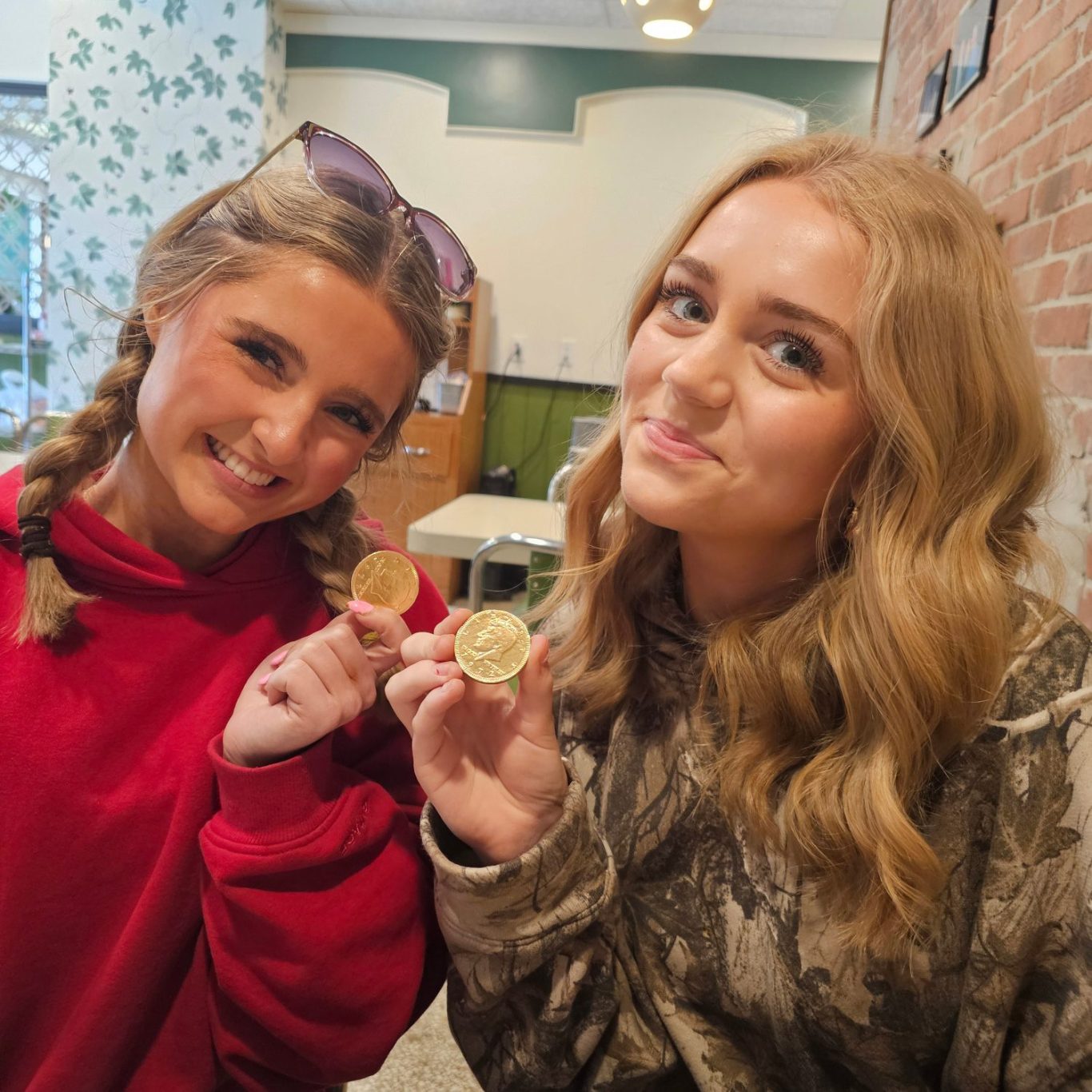
Friendship Is a Life Skill
Every girl will have moments when a friend hurts her feelings — and moments when her own words or actions hurt someone else. That's part of growing up and learning how relationships work.
The goal isn't to prevent every disagreement, protect her from every disappointment, or expect her to handle every situation perfectly. It's to help her learn from those experiences.
Help her understand when to listen, when to speak up, when to apologize, when to forgive, and when it's healthier to step back. Just as importantly, help her recognize that her choices and words have an impact on the people around her.
These lessons reach far beyond childhood friendships. The ability to communicate, show consideration, work through differences, and build healthy relationships will matter throughout her life — in her family, friendships, school, career, and community.
Friendship isn't just something girls learn about growing up. It's where they begin learning skills they'll use for a lifetime.
Parent Frequently Asked Questions
1. Who is Project Girl Code for? - Project Girl Code is designed primarily for girls in upper elementary, middle school, and early high school. These are important years when friendships, social confidence, and relationship skills are developing. Girls mature at different rates, so parents can explore the resources that best fit their daughter's age, experiences, and needs.
2. Is Project Girl Code counseling or therapy? - No. Project Girl Code is an educational resource focused on building healthy relationships and developing everyday social skills. It does not provide counseling, therapy, or mental health treatment. Instead, it offers practical guidance, conversation starters, and tools to help girls navigate friendships, communicate with confidence, and build meaningful connections.
3. What if my daughter is struggling with a friendship? - Friendship challenges are a normal part of growing up, but that doesn't make them easy. Project Girl Code encourages girls to pause, consider the situation, and choose how to respond with grace. Sometimes that means having an honest conversation, apologizing, or working through a misunderstanding. Other times, it means setting boundaries or recognizing that it's healthier to step back.
Girls also make mistakes in friendships. Learning to take responsibility, recognize how their actions affect others, and make things right is part of developing healthy relationships.
4. How can families use Project Girl Code? - Families can explore the website together or use the resources individually. Conversation starters, friendship guidance, affirmations, and downloadable materials offer opportunities to talk about relationships and practice everyday skills. There is no required schedule or particular order. Choose the topics and tools that are most helpful for your daughter and revisit them as she grows.
5. Who should I contact if I have concerns? - If your daughter is experiencing ongoing distress, fear of school, repeated exclusion, or other concerning behavior, consider reaching out to a trusted school counselor, teacher, or administrator. If she feels unsafe, take her concerns seriously and seek appropriate adult support.
Project Girl Code offers educational resources to support healthy relationships, but it does not replace professional support or school safety procedures.
Together, we can help girls pause before reacting, consider their choices and their impact on others, and act with grace as they learn to build and navigate healthy relationships throughout life.