If You Feel Left Out
If you feel excluded, ignored, or unsure how to make friends, you are not the only one. Friendship struggles are one of the hardest parts of growing up - and most girls are never taught how to handle them. This page gives you simple tools you can use right away.

What To Do When You're Left Out
* Sit near a group before speaking - proximity reduces anxiety
* Ask a question instead of trying to impress
* Join conversations by agreeing first, then adding (Example: "Wait I loved that movie, have you seen this one?")
What To do If Someone is Talking About You
* Don't respond immediately
* Speak privately, not in a group
* Use this script: "I heard something was said about me and I'd rather talk than assume."


How To Start a Friendship
1. Notice people around you
2. Be willing to approach
3. Have a simple invite
Check out these ice breakers for some simple ways to start a conversation
If You Are the One Who Excluded Someone
Remember everyone makes mistakes
Repairing a friendship builds more confidence than avoiding the situation
Try: "I realized I left you out earlier and I'm really sorry. I want to do better."
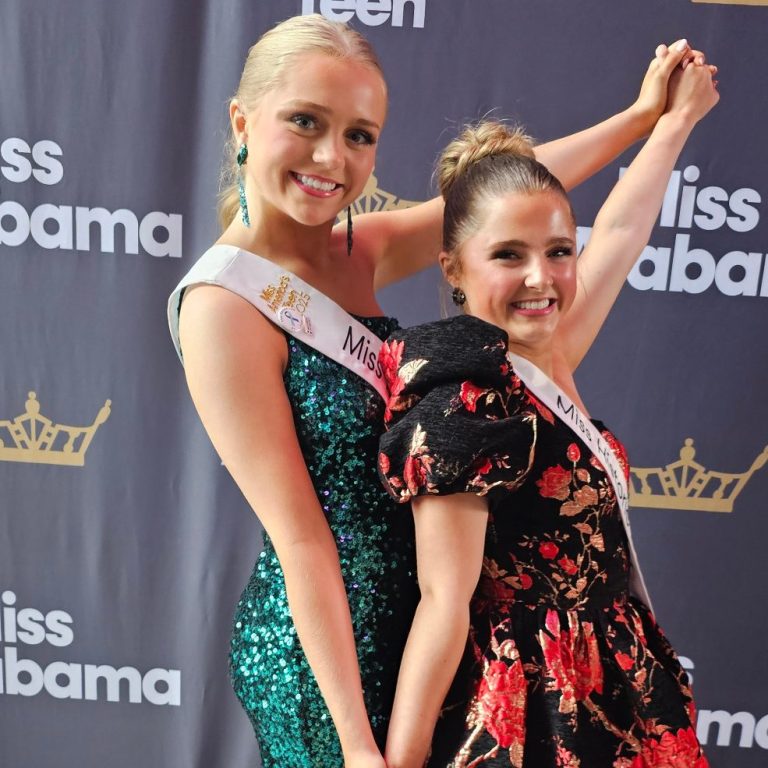
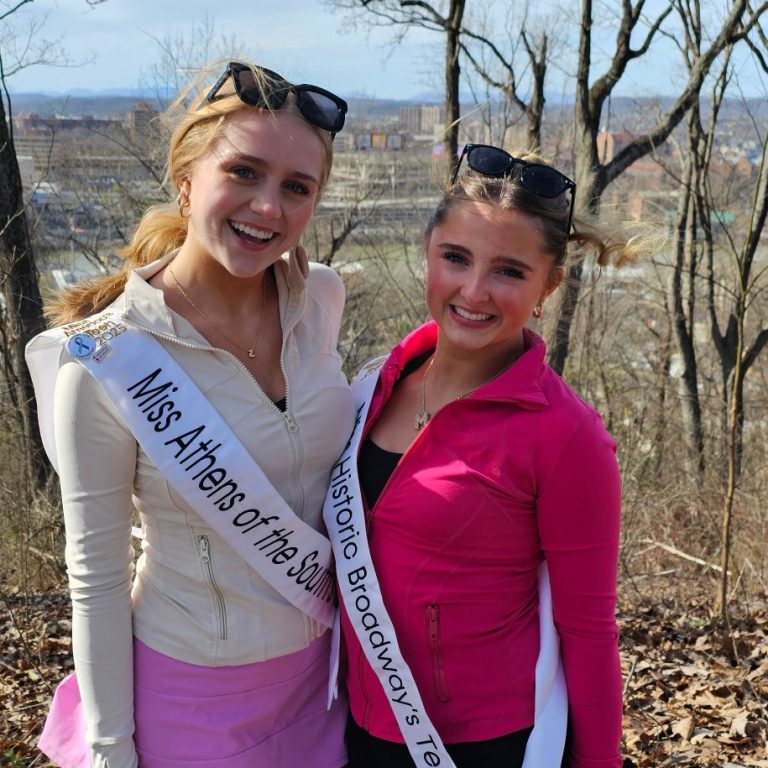
Be the Girl Who Starts the Change
You don’t have to be the loudest, the most popular, or the most confident to make a difference. Every time you include someone, speak kindly, or stand beside another girl, you help change the culture around you. Project Girl Code starts with one decision — yours.
Words Matter: What Not to Say (and What to Say Instead)
Sometimes girls don’t mean to hurt each other — but certain phrases can make someone feel excluded, embarrassed, or compared. A small change in wording can protect a friendship.
1. Jokes About Appearance
Avoid:
“Wait… you’re wearing that?”
“You look so different today.”
“That’s not your color.”
Try Instead:
“I like your outfit.”
“That looks nice on you.”
“You always have cute style.”
2. “Just Joking”
Avoid:
“Relax, it was just a joke.”
“You’re too sensitive.”
Why it hurts:
It dismisses feelings and makes the other person feel embarrassed for reacting.
Try Instead:
“I’m sorry — I didn’t mean for that to hurt you.”
“I shouldn’t have said that.”
3. Comparison Comments
Avoid:
“She’s prettier than me.”
“You’re smarter than her.”
“At least you’re not as bad as ___.”
Try Instead:
“You both did a great job.”
“I’m proud of you.”
“You worked really hard.”
4. Excluding Language
Avoid:
“You can’t come.”
“We already have enough people.” (when it’s not true)
“You wouldn’t want to anyway.”
Try Instead:
“We’re glad you’re here.”
“Do you want to join us?”
“You can sit with me.”
5. Group Chat Hurt
Avoid:
Ignoring someone’s message on purpose
Talking about someone in a chat they aren’t in
Sending screenshots to embarrass someone
Try Instead:
Reply kindly
Check in privately
Change the subject if conversation turns negative
6. Gossip Disguised as Concern
Avoid:
“I’m not trying to be mean but…”
“Don’t tell anyone I told you this…”
“I heard she…”
Try Instead:
Talk directly to the person
Or choose not to pass it along at all
7. After a Conflict
Avoid:
“Whatever.”
“I don’t care.”
“Fine.”
Try Instead:
“I need a minute to calm down.”
“I still want to fix this.”
“Our friendship matters to me.”
Important to Remember
You don’t have to say the perfect thing.
You just have to say the kind thing.
Words can start arguments — but they can also heal them.
Choosing your words carefully is one of the strongest ways to protect a friendship.